IMDG Code

International Maritime Dangerous Goods Code

Adherence to the International Maritime Dangerous Goods (IMDG) Code is essential for maintaining a safe, compliant, and environmentally responsible approach to transporting hazardous goods, ultimately safeguarding both crew members and the marine environment.
The International Maritime Dangerous Goods (IMDG) Code is a vital set of guidelines established by the International Maritime Organization (IMO) to ensure the safe transport of dangerous goods by sea. Originally adopted in 1965 under the International Convention for the Safety of Life at Sea (SOLAS) of 1960, the IMDG Code integrates aspects of MARPOL to also address marine pollution prevention.

IMDG Code Updates and Compliance

The IMDG Code is periodically updated to reflect advancements in marine transport and safety regulations. Notably, the 2018 edition became effective in 2020, while the 2020 updates were enacted on June 1, 2022, after a brief delay due to the COVID-19 pandemic. Compliance began voluntarily on January 1, 2019, becoming mandatory as of January 1, 2020.

Purpose of the IMDG Code

The IMDG Code serves a dual purpose: it prioritizes the safety of dangerous goods transportation and aims to protect the marine environment by mitigating risks of marine pollution. This code establishes uniform guidelines for the packing, stowage, and container traffic of dangerous goods, with a focus on separating incompatible materials. Additionally, the IMDG Code standardizes safety practices across all cargo-carrying ships worldwide.

What Are Dangerous Goods?

Dangerous goods are critical for industries like electronics, automotive, battery manufacturing, and pharmaceuticals, each of which drives substantial global trade. Proper handling of these materials is essential to avoid potential hazards during transport.

Classification of Dangerous Goods

The IMDG Code divides dangerous goods into nine main classes, each with sub-divisions based on the type and severity of hazard:

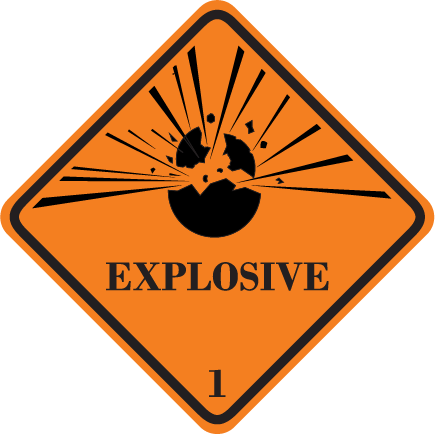
Explosives

Subdivided into 1.1–1.6 based on explosion risk (e.g., fireworks, ammunition).

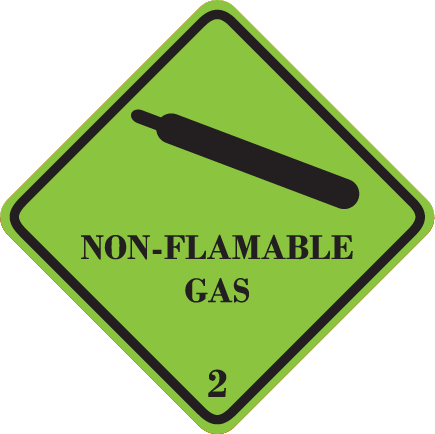
Gases

Includes flammable (propane), non-flammable (nitrogen), and toxic gases (chlorine).

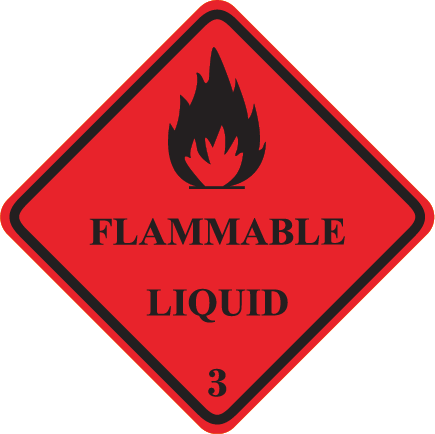
Flammable Liquids

Liquids with flash points below 60°C (e.g., alcohol, fuel, paints).

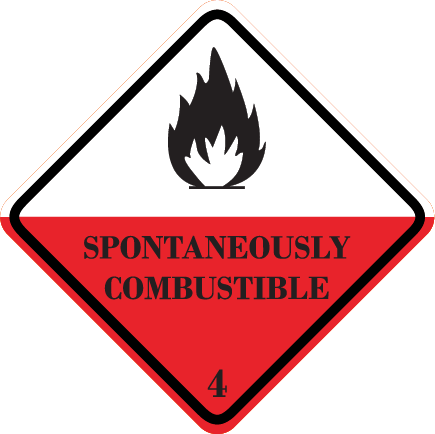
Flammable Solids

Self-reactive or water-reactive solids (e.g., sulfur, sodium).

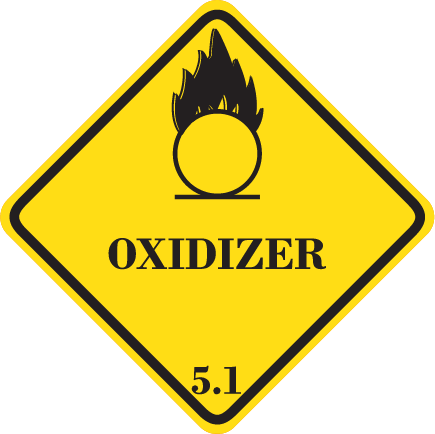
Oxidizing Substances

Materials that cause or enhance combustion (e.g., hydrogen peroxide).

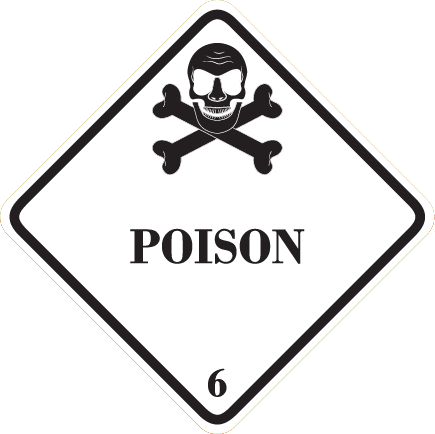
Toxic and Infectious Substances

Poisonous or infectious materials (e.g., pesticides, medical waste).

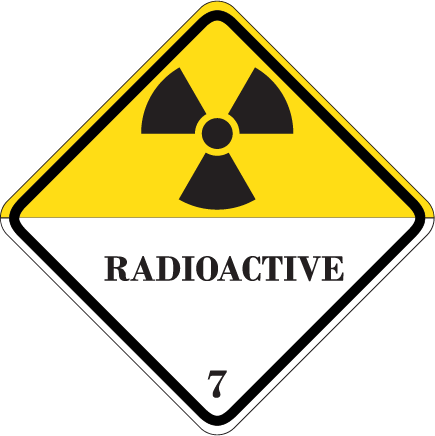
Radioactive
Material

Includes isotopes and radioactive medical materials.

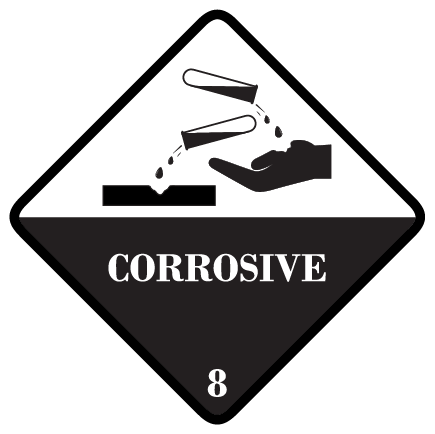
Corrosives


Substances that can destroy metal or tissue (e.g., acids, alkalis).

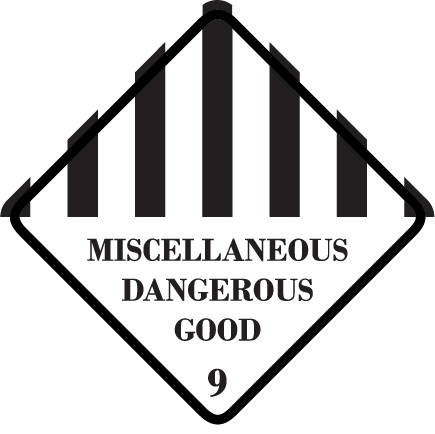
Miscellaneous Dangerous Goods

Substances with various hazards (e.g., lithium batteries, dry ice).

  1. Explosives – Subdivided by risk level (e.g., fireworks, aerosols)
  2. Gases – Categorized by flammability and toxicity
  3. Flammable Liquids – Includes items with high combustion risks
  4. Flammable Solids – Includes self-reactive and water-reactive solids
  5. Oxidizing Substances – Includes portable tanks and oxidizers
  6. Toxic and Infectious Substances – Harmful or infectious materials
  7. Radioactive Material – For radioactive substances
  8. Corrosives – Includes materials prone to corrosion
  9. Miscellaneous Dangerous Goods – Such as dry ice, internal combustion engines

Why the IMDG Code Matters to Seafarers

For safety, crew members handling dangerous cargo must undergo training based on STCW standards and be well-versed in IMDG Code requirements. Essential skills include:

  • Understanding segregation and proper identification of dangerous goods
  • Knowing the correct packing requirements for each cargo type
  • Recognizing the labels, markings, and placards for different dangerous goods
  • Practicing safe loading and unloading of IMDG cargo

Our Commitment to IMDG Compliance

At Aum Maritime, we strictly comply with the IMDG Code.

By adhering to these international safety standards, we ensure every shipment is handled with precision, care, and complete regulatory compliance. Our trained professionals understand:

  • Proper classification and segregation of dangerous goods
  • Correct packing, labeling, and documentation requirements
  • Use of certified containers and equipment for hazardous materials
  • Safe handling, stowage, and emergency response procedures

Through constant training and adherence to the IMDG Code, Aum Maritime ensures the highest level of safety and reliability in the transport of dangerous cargo across global trade routes.